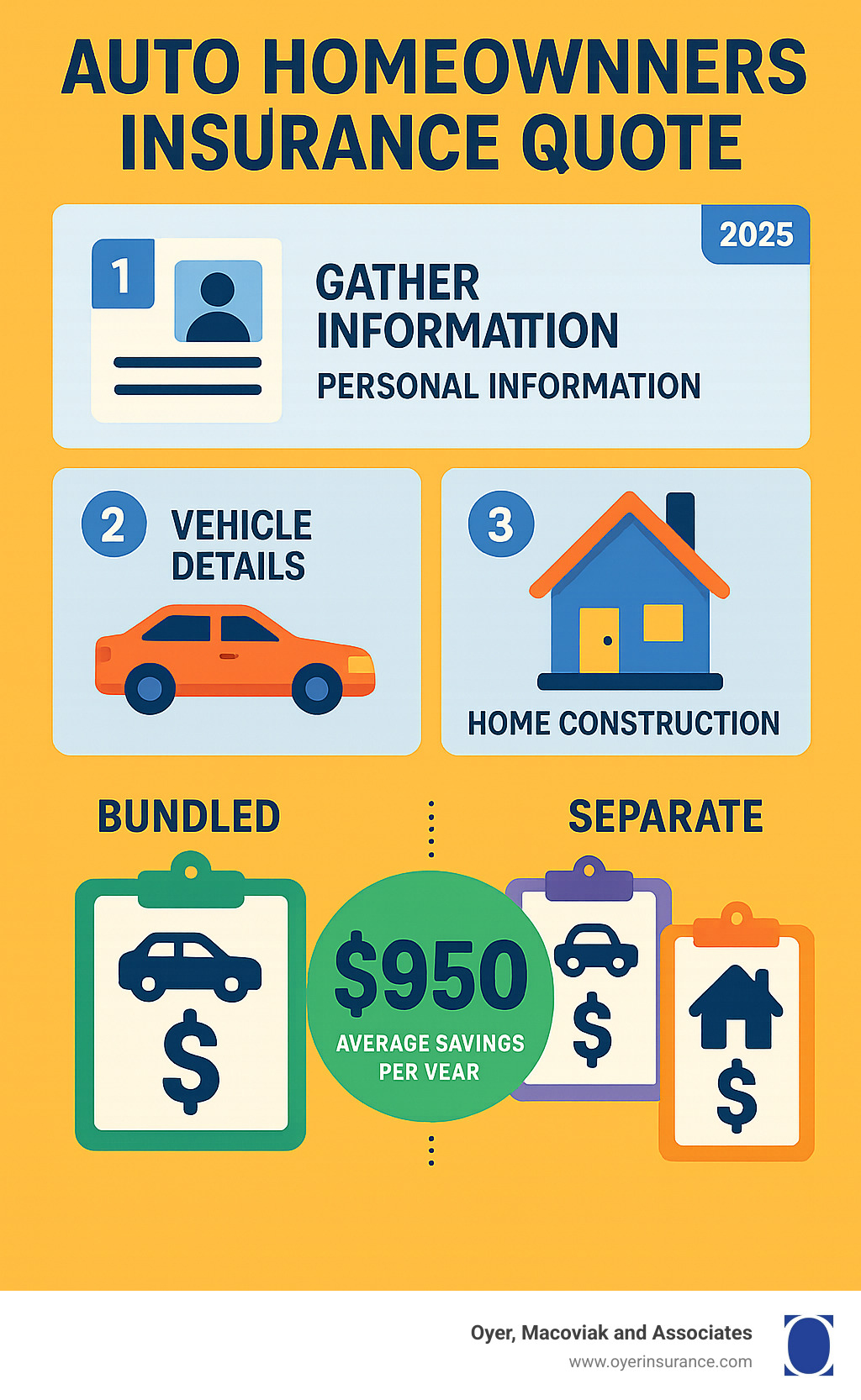
Automobile and homeowners insurance are two fundamental types of protection that safeguard both personal mobility and property ownership. For instance, a family may hold a comprehensive auto policy covering collision damage while also maintaining a homeowners policy that protects against fire and theft. Understanding how these policies intersect helps individuals manage risk more effectively.
The importance of these coverages lies in their ability to mitigate financial loss after unexpected events. Historically, auto insurance emerged alongside widespread vehicle adoption in the early 20th century, while homeowners insurance evolved to address fire hazards in growing suburbs. Together, they provide a safety net that preserves wealth and offers peace of mind.
This article explores the core components, pricing dynamics, common pitfalls, and practical strategies related to automobile and homeowners insurance. Readers will gain actionable knowledge to choose the right policies, avoid costly mistakes, and maximize benefits.
1. Coverage Fundamentals
Both policies consist of multiple layers that address distinct risks. Automobile coverage typically includes liability, collision, comprehensive, and uninsured motorist protection. Homeowners insurance encompasses dwelling, personal property, liability, and additional living expenses.
- Liability Protection
Liability coverage pays for bodily injury or property damage to third parties. For example, if a driver causes a crash, the auto liability limits cover medical bills, while homeowners liability protects against injuries occurring on the property. This dual layer reduces out-of-pocket exposure.
- Property Damage
Collision and dwelling coverage repair or replace physical assets after an accident or disaster. A car damaged in a hailstorm and a house suffering roof damage from wind are both restored up to policy limits, ensuring continuity of use.
- Comprehensive Risks
Comprehensive auto insurance covers theft, vandalism, and natural events, while homeowners comprehensive (often called “other structures”) protects sheds, fences, and detached garages. These extensions address non-collision hazards that could otherwise be financially draining.
2. Pricing Dynamics
Premiums are calculated using actuarial data, personal risk factors, and market competition. For auto policies, factors include driving history, vehicle type, mileage, and location. Homeowners premiums consider home age, construction materials, claim history, and proximity to fire stations.
Bundling both policies with a single insurer often yields discounts ranging from 5% to 25%, reflecting reduced administrative costs and perceived lower overall risk. Insurers also adjust rates annually based on loss trends and inflation, making regular policy review essential.
3. Common Mistakes to Avoid
- Underinsuring
Choosing coverage limits that are too low can leave significant gaps. A homeowner who insures only the replacement cost of the structure but not personal belongings may face out-of-pocket expenses after a burglary.
- Ignoring Discounts
Many drivers overlook safe‑driver, multi‑policy, or loyalty discounts. Similarly, homeowners may miss savings for security systems, updated roofing, or energy‑efficient upgrades.
- Neglecting Policy Updates
Life changes such as a new car, home renovation, or addition of a teenage driver require policy adjustments. Failure to update can result in inadequate protection or higher premiums.
- Overlooking Exclusions
Both policies contain exclusions—events they do not cover. Understanding these, such as flood exclusion in standard homeowners policies, prevents surprise claim denials.
- Choosing the Cheapest Option
Lowest‑priced policies may sacrifice essential coverage or customer service quality. Evaluating claim handling reputation is as important as price.
4. Claims Process Efficiency
Prompt reporting and thorough documentation accelerate claim settlements. For auto incidents, photos, police reports, and witness statements are critical. Homeowners should inventory belongings, keep receipts, and protect damaged property to avoid further loss.
Many insurers now offer mobile apps for real‑time claim tracking, reducing the need for phone calls and paperwork. Understanding the insurer’s timeline and required documentation helps set realistic expectations.
5. Legal and Regulatory Considerations
State laws dictate minimum auto liability limits and homeowners insurance requirements for mortgage lenders. Some states mandate uninsured motorist coverage, while others allow optional purchase.
Regulatory bodies also monitor rate changes to prevent unfair pricing. Consumers can appeal excessive premium adjustments through state insurance commissions, ensuring transparency and fairness.
6. Risk Mitigation Strategies
- Defensive Driving Courses
Completing certified courses can lower auto premiums by demonstrating reduced accident risk. Insurers often grant up to 10% discount for proven safe driving habits.
- Home Safety Improvements
Installing smoke detectors, deadbolt locks, and impact‑resistant roofing decreases the likelihood of claims, leading insurers to reward homeowners with lower rates.
- Telematics Devices
Usage‑based insurance (UBI) programs track mileage and driving behavior via onboard devices. Low mileage and smooth driving can translate into substantial savings on automobile policies.
- Bundling Policies
Combining auto and homeowners coverage with one carrier simplifies billing and often unlocks multi‑policy discounts, enhancing overall affordability.
- Reviewing Deductibles
Choosing higher deductibles lowers premium costs but requires readiness to pay more out‑of‑pocket after a loss. Balancing deductible levels with financial comfort optimizes coverage value.
Frequently Asked Questions
Quick answers to common queries about automobile and homeowners insurance.
Question 1: How do bundled discounts work?
Insurers offer a percentage reduction when both auto and homeowners policies are purchased together, reflecting lower administrative costs and perceived reduced risk. Discounts typically range from 5% to 25% depending on the carrier and coverage levels.
Question 2: What is the difference between actual cash value and replacement cost?
Actual cash value (ACV) pays the depreciated amount of a damaged item, while replacement cost covers the price of a new, similar item. Homeowners policies often let customers choose the valuation method for personal property.
Question 3: Are natural disasters covered under standard policies?
Standard homeowners insurance includes wind and hail but typically excludes flood and earthquake. Separate flood or earthquake endorsements are needed for those perils, and auto policies may cover hail but not flood damage.
Question 4: Can a teenage driver increase auto premiums?
Adding a teen driver usually raises premiums due to higher risk statistics. However, completing a defensive driving course and maintaining a clean record can mitigate the increase.
Question 5: How often should policies be reviewed?
Review policies annually or after major life events such as moving, renovating, buying a new car, or changes in marital status. Regular reviews ensure coverage limits remain adequate and discounts are applied.
Question 6: What documentation is needed for a homeowners claim?
Provide photos of damage, a detailed inventory of lost items with receipts or estimates, proof of ownership, and any repair invoices. Prompt submission speeds up the settlement process.
Tips for Maximizing Coverage Value
Implement these nine actionable steps to strengthen protection while managing costs.
Tip 1: Review policy limits annually. Ensure they reflect current replacement costs and personal asset growth.
Tip 2: Bundle auto and homeowners policies. Leverage multi‑policy discounts for immediate savings.
Tip 3: Increase deductibles wisely. Choose higher deductibles only if emergency funds can cover potential out‑of‑pocket expenses.
Tip 4: Install safety devices. Smoke alarms, security systems, and anti‑theft devices often qualify for premium reductions.
Tip 5: Take defensive driving courses. Earn discounts and improve driving habits that lower accident risk.
Tip 6: Update coverage after renovations. Adjust dwelling coverage to match added square footage or upgraded materials.
Tip 7: Keep an organized inventory. Document belongings with photos and receipts to streamline future claims.
Tip 8: Explore usage‑based insurance. Telemetry data can reveal savings opportunities for low‑mileage drivers.
Tip 9: Shop around before renewal. Compare quotes from multiple carriers to ensure competitive rates and best service.
Conclusion
Automobile and homeowners insurance together form a comprehensive risk management strategy, protecting mobility, shelter, and personal assets. By understanding coverage components, pricing factors, common pitfalls, and proactive risk mitigation, individuals can select policies that deliver robust protection without unnecessary expense.
Staying informed, reviewing policies regularly, and applying the outlined tips will ensure that coverage evolves alongside life’s changes, securing peace of mind for years to come.

