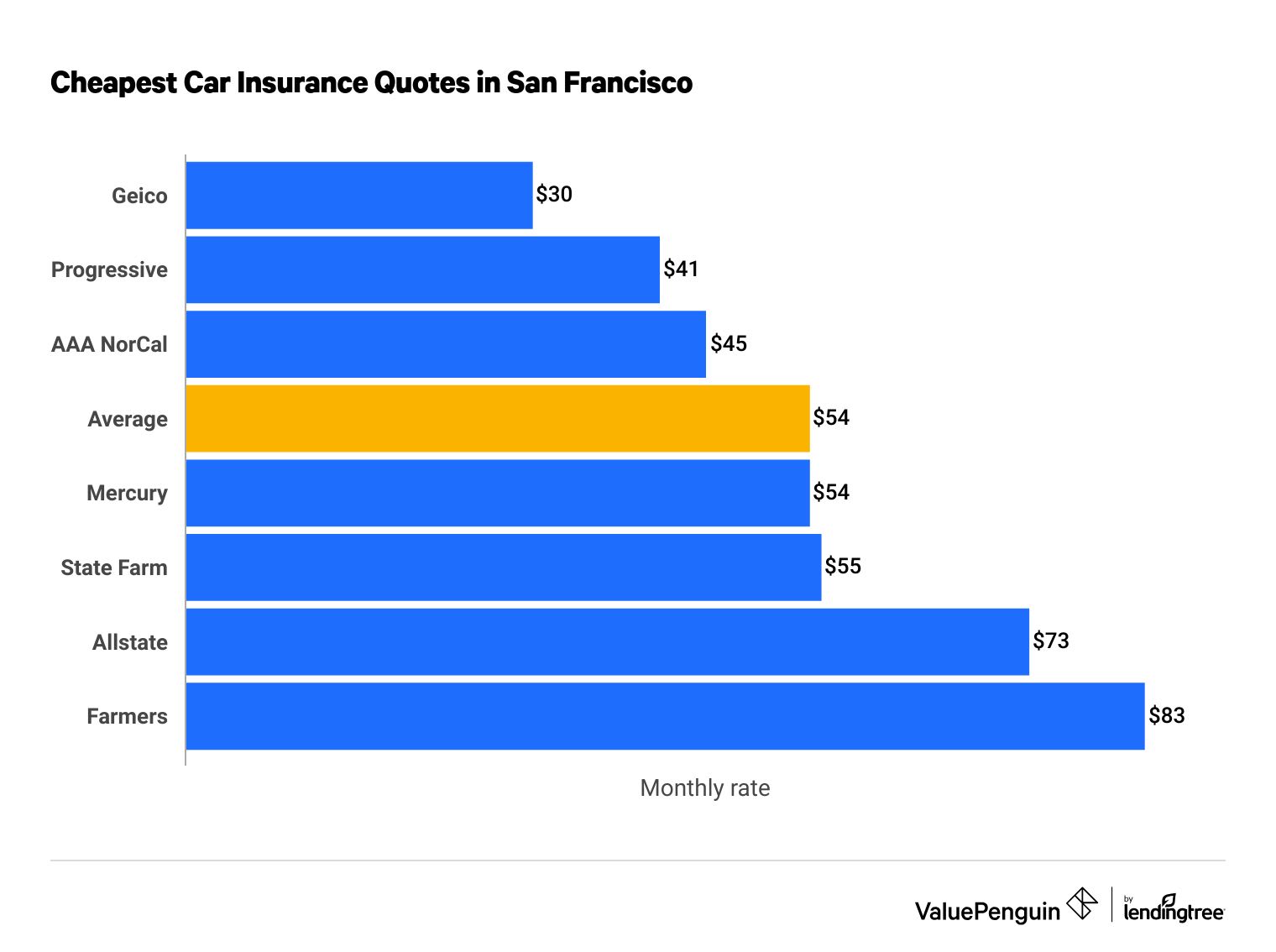
auto insurance quote in california represents the estimated premium a driver will pay for coverage based on personal and vehicle data; for example, a 30‑year‑old with a 2018 Honda Civic in Los Angeles might receive a quote of $1,200 annually.
Understanding this estimate matters because it influences budgeting, risk management, and compliance with state law; historically, California’s mandatory liability limits have shaped pricing models, while modern telematics add nuance.
This article breaks down pricing dynamics, coverage choices, regulatory requirements, discount opportunities, common mistakes, and practical tools, equipping readers to navigate the market confidently.
1. Pricing dynamics
- Risk assessment
Insurers evaluate driving history, location, and vehicle type; a driver with multiple accidents in San Francisco may face higher rates, prompting a review of safety programs.
- Credit score impact
California permits credit‑based pricing; a strong credit profile can shave dozens of dollars off the quote, encouraging financial health before shopping.
- Vehicle safety features
Cars equipped with automatic emergency braking often qualify for lower premiums, illustrating how technology directly reduces cost.
- Mileage patterns
Low annual mileage, such as under 8,000 miles, signals reduced exposure, leading insurers to offer mileage discounts.
- Seasonal trends
Quotes may rise during winter months due to higher accident likelihood, a factor to consider when timing policy renewal.
2. Coverage options
Liability coverage remains the legal minimum, but many drivers opt for bodily injury and property damage limits that exceed state requirements to protect assets.
Comprehensive and collision add protection against non‑collision events like theft or natural disasters; selecting appropriate deductibles balances upfront cost with out‑of‑pocket risk.
3. Auto insurance quote in california basics
- Quote request process
Most providers require personal details, vehicle identification number, and driving records; completing the online form yields an instant estimate, streamlining comparison.
- Accuracy of information
Providing precise mileage and usage patterns prevents later adjustments, ensuring the quoted premium reflects true risk.
- Multiple carrier comparison
Gathering quotes from at least three insurers uncovers price differentials, as demonstrated when a driver saved 15% by switching from Carrier A to Carrier B.
- Policy binding timeline
After acceptance, insurers typically issue an binder within 24 hours, guaranteeing coverage before the vehicle is driven.
- Renewal considerations
Reviewing the quote annually captures changes in driving behavior or market rates, preventing unexpected premium spikes.
4. Discount opportunities
Multi‑policy bundles, such as combining home and auto insurance, often produce significant savings; insurers reward loyalty with reduced renewal rates.
Good driver discounts recognize clean records, while defensive‑driving courses grant additional reductions, illustrating how proactive behavior translates to lower costs.
5. State regulations
- Minimum liability limits
California mandates $15,000 per person for bodily injury, $30,000 per accident, and $5,000 property damage, forming the baseline for any quote.
- Proof of insurance requirement
Drivers must carry an insurance card; failure to produce it results in penalties, underscoring the importance of maintaining active coverage.
- Rate filing oversight
The Department of Insurance reviews premium structures annually to prevent unfair pricing, ensuring market transparency.
- Uninsured motorist provisions
Optional coverage protects against drivers lacking insurance, a prudent addition given California’s sizable uninsured population.
- Telematics regulations
State guidelines govern data collection from usage‑based programs, balancing privacy with potential discount eligibility.
6. Common pitfalls
Relying on outdated quotes can lead to gaps in coverage; policies should be refreshed whenever major life events occur, such as moving to a new zip code.
Neglecting to disclose prior accidents may result in claim denial, highlighting the need for full transparency during the quoting stage.
Frequently Asked Questions
Quick answers to the most common queries about auto insurance quoting in the Golden State.
Question 1: How does a driver’s zip code affect the quote?
Zip codes reflect traffic density, crime rates, and weather patterns; areas with higher accident frequencies typically generate higher premiums, while rural zones often enjoy lower rates.
Question 2: Are telematics programs worth the potential discount?
Telematics can lower premiums by up to 15% for safe drivers, but participants must accept continuous monitoring; those uncomfortable with data sharing may prefer traditional rating methods.
Question 3: What is the impact of a recent moving violation?
A moving violation within the past three years generally adds a surcharge of 5‑10% to the quote, though the exact increase depends on the insurer’s weighting system.
Question 4: Can adding a teen driver increase the overall cost dramatically?
Teen drivers often raise household premiums by 30‑50% due to higher risk profiles; enrolling them in a good student discount program can mitigate some of the increase.
Question 5: Is it necessary to purchase both comprehensive and collision?
Comprehensive and collision cover non‑liability events; if the vehicle’s value exceeds the deductible, maintaining both policies protects against costly repairs or total loss.
Question 6: How frequently should quotes be compared?
Reviewing quotes annually, especially before renewal, captures market shifts and personal changes, helping to secure the most competitive rate each year.
Tips for Getting the Best Quote
Follow these actionable steps to maximize savings and coverage quality.
Tip 1: Verify vehicle information. Accurate VIN and mileage data prevent premium adjustments later.
Tip 2: Bundle policies. Combine auto with home or renters insurance for multi‑policy discounts.
Tip 3: Maintain a clean driving record. Avoidable tickets directly lower future quote estimates.
Tip 4: Explore usage‑based programs. Opt‑in to telematics if safe driving habits are consistent.
Tip 5: Increase deductibles strategically. Higher deductibles reduce premiums while still offering protection.
Tip 6: Shop during promotional periods. Insurers often release limited‑time offers that can shave off dozens of dollars.
Tip 7: Review state‑mandated minimums. Ensure coverage exceeds legal requirements to avoid under‑insuring.
Tip 8: Re‑evaluate annually. Life changes, such as moving or adding drivers, warrant fresh quotes each year.
Conclusion
The auto insurance quote in california process intertwines risk assessment, coverage selection, regulatory compliance, and discount exploitation; mastering each element empowers drivers to secure affordable, comprehensive protection.
Continual monitoring of rates and policies ensures long‑term savings and peace of mind, positioning policyholders for financial resilience on California’s roads.

