Auto insurance in US is a contractual agreement that provides financial protection against vehicle‑related losses, such as accidents, theft, or natural disasters. For example, a driver in Texas who collides with a parked car can rely on their liability coverage to cover the other party’s repair costs.
The importance of auto insurance in US lies in legal compliance, financial safety, and peace of mind; without it, drivers face hefty out‑of‑pocket expenses and potential legal penalties. Historically, state‑mandated minimums have evolved alongside vehicle technology and road safety initiatives.
This article breaks down the essential components of auto insurance in US, including pricing dynamics, coverage options, claims processes, and practical tips for choosing the right policy.
1. Pricing Dynamics
Understanding how premiums are calculated helps drivers anticipate costs and identify savings opportunities.
- Risk Assessment
Insurers evaluate driver age, record, and vehicle type; a 22‑year‑old with a sports car typically pays higher rates than a 45‑year‑old with a sedan. This influences monthly premiums.
- Location Factors
Urban areas with higher traffic density, like Los Angeles, often see elevated rates compared to rural regions due to increased accident likelihood.
- Credit Scores
In many states, a strong credit score can lower premiums; a driver with an 800 score may receive a 10% discount versus a 600 score holder.
2. Coverage Types
Auto insurance in US offers several core coverages: liability, collision, comprehensive, uninsured motorist, and medical payments. Liability covers damages to others, while collision pays for repairs to the insured vehicle after a crash. Comprehensive adds protection against non‑collision events like theft or hail.
Choosing the right mix depends on vehicle value, driving habits, and personal risk tolerance. For instance, a brand‑new electric car may benefit from full collision and comprehensive coverage to protect its high replacement cost.
3. Common Mistakes
- Underinsuring
Opting for the state minimum can leave owners with insufficient funds after a serious accident, leading to personal liability.
- Ignoring Discounts
Many insurers offer multi‑policy or safe‑driver discounts; failing to inquire can cost hundreds annually.
- Overlooking Policy Limits
Low limits may not cover total damages in a severe crash, exposing drivers to lawsuits.
4. Claims Process
When filing a claim, prompt reporting, accurate documentation, and cooperation with adjusters expedite settlements. A typical workflow includes incident report, photo evidence, and submission of police records.
Effective communication can prevent claim denials; for example, providing a clear timeline of events helps adjusters assess liability accurately.
5. State Regulations
Each US state sets its own minimum liability requirements and may have unique rules on uninsured motorist coverage. California mandates $15,000 per person for bodily injury, while Florida requires $10,000 personal injury protection.
Drivers relocating across state lines must adjust their policies to meet new legal standards, often within a 30‑day window.
6. Choosing a Provider
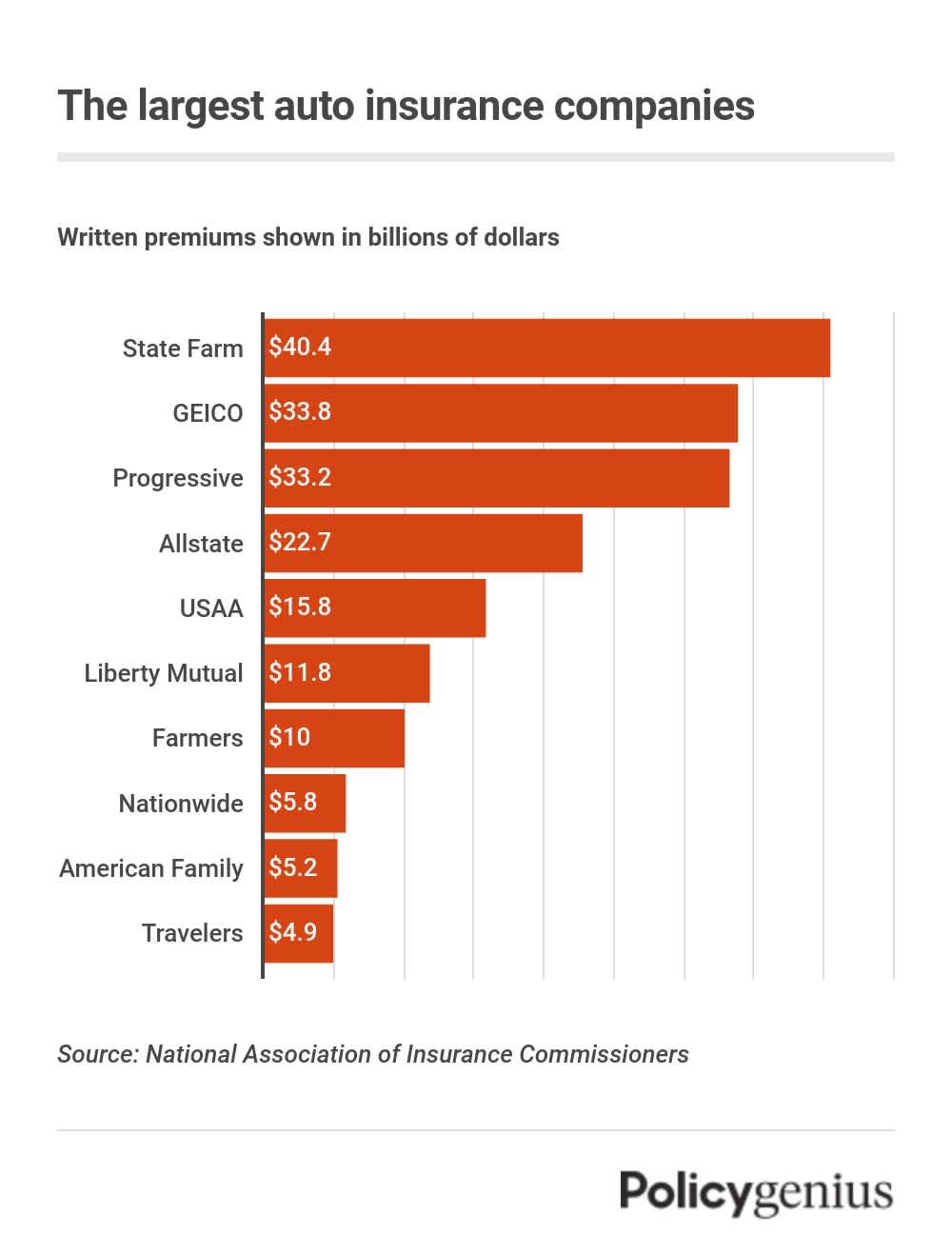
Factors such as financial strength, customer service ratings, and digital tools influence provider selection. Companies like State Farm, GEICO, and Progressive consistently rank high in consumer satisfaction surveys.
Reading independent reviews and checking the insurer’s complaint ratio with the NAIC can reveal hidden performance issues.
Frequently Asked Questions
Here are concise answers to the most common queries about auto insurance in US.
Question 1: What is the minimum required auto insurance in US?
Each state sets its own minimum liability limits, typically covering bodily injury and property damage. Drivers must meet these thresholds to legally operate a vehicle, though higher coverage is often advisable for broader protection.
Question 2: How does credit score affect auto insurance premiums?
Insurers in many states use credit-based insurance scores to predict risk. A higher credit score usually results in lower premiums, while a lower score can increase rates by up to 30%.
Question 3: Can auto insurance be cancelled for a single claim?
Most policies allow one claim per year without cancellation, but repeated claims or high‑severity losses may trigger non‑renewal or higher rates at renewal.
Question 4: Is comprehensive coverage necessary for an older car?
For vehicles with low market value, comprehensive coverage may cost more than the potential payout. Drivers should compare the annual premium to the car’s replacement cost to decide.
Question 5: What discounts are commonly available?
Typical discounts include multi‑vehicle, bundling home and auto, safe driver, good student, low mileage, and anti‑theft device incentives, each potentially reducing premiums by 5‑15%.
Question 6: How long does a claim settlement take?
Settlement timelines vary; straightforward claims may resolve within two weeks, while complex cases involving injuries or disputed liability can extend to several months.
Tips for Optimizing Auto Insurance in US
Practical steps to improve coverage and reduce costs.
Tip 1: Review policy annually to align coverage with current vehicle value.
Tip 2: Increase deductible modestly to lower premium costs.
Tip 3: Bundle auto with home or renters insurance for multi‑policy discounts.
Tip 4: Maintain a clean driving record to qualify for safe‑driver discounts.
Tip 5: Install anti‑theft devices and inform the insurer for possible savings.
Tip 6: Compare quotes from at least three carriers before committing.
Tip 7: Ask about loyalty discounts if staying with the same insurer for several years.
Tip 8: Use telematics programs if driving habits are low‑risk to earn usage‑based discounts.
Tip 9: Verify state‑required minimums and consider higher limits for better protection.
Tip 10: Keep proof of insurance and vehicle registration in the car at all times.
Tip 11: Report accidents promptly to avoid claim denials.
Tip 12: Document vehicle condition with photos before and after trips.
Tip 13: Maintain adequate health insurance to complement medical payments coverage.
Tip 14: Review credit report annually; correct errors to improve insurance scores.
Tip 15: Consider usage‑based policies if mileage is below 10,000 mi per year.
Tip 16: Ask about accident forgiveness programs to prevent premium hikes after a first claim.
Conclusion
Auto insurance in US encompasses pricing, coverage options, state regulations, and provider selection, each influencing overall cost and protection level. By understanding these key aspects, drivers can make informed decisions that balance affordability with comprehensive risk management.
Staying proactive—regularly reviewing policies, leveraging discounts, and monitoring driving habits—ensures optimal coverage now and adapts to future changes on the road.

