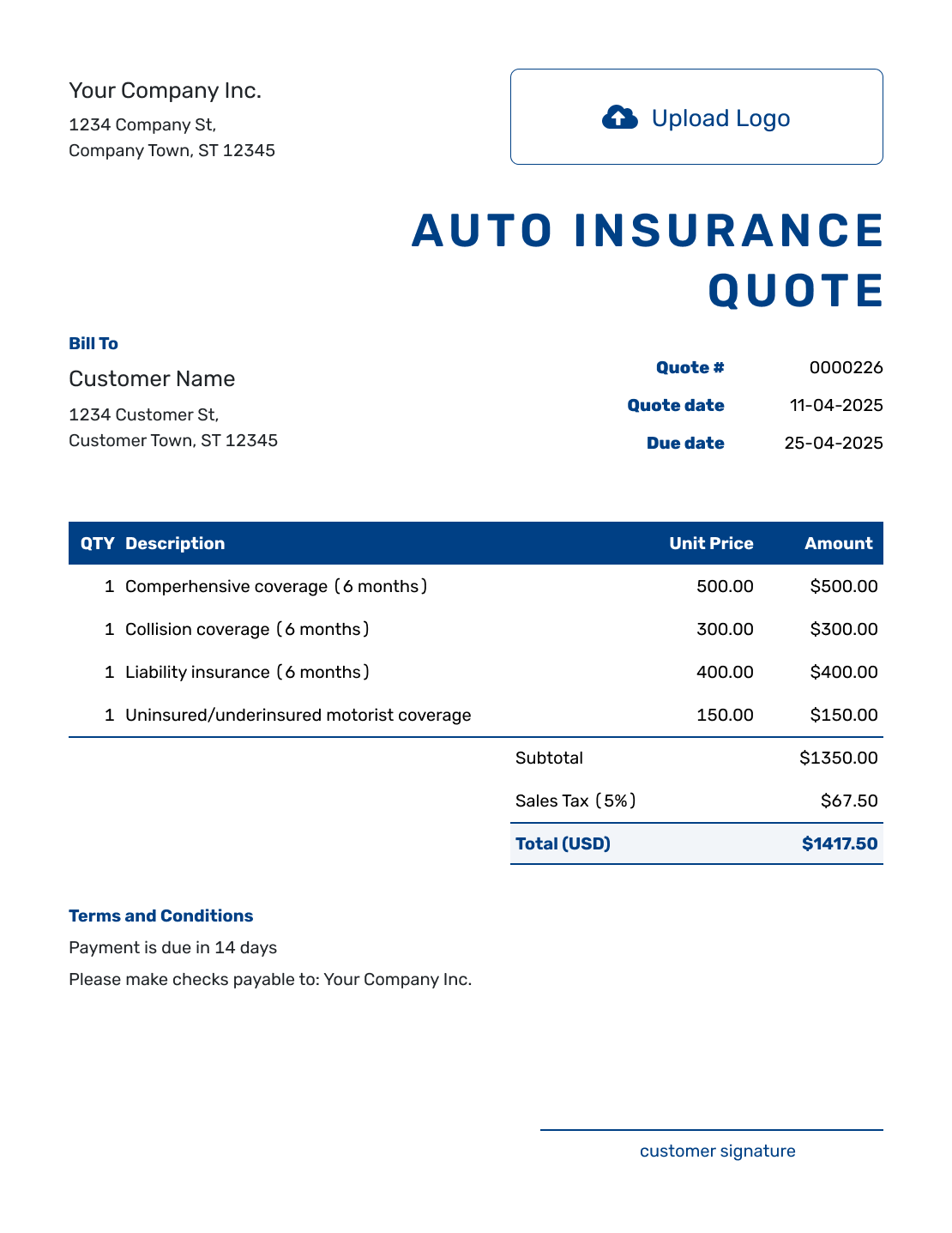
Auto quote for insurance is an online estimate that predicts the premium a driver will pay for a vehicle coverage policy. For example, a 35‑year‑old driver in Ohio entering zip code 44109 can receive a $1,200 quote within minutes after inputting vehicle make, driving record, and mileage.
The importance of obtaining an accurate auto quote for insurance lies in its ability to reveal cost‑saving opportunities, highlight coverage gaps, and empower informed decisions before committing to a policy. Historically, quotes were obtained through phone calls or agents, but digital platforms now deliver instant, comparative data, reflecting market competition and regulatory changes.
This article explores the mechanics behind auto quote for insurance, common pitfalls, comparison tools, and actionable steps to secure optimal rates. Readers will gain a clear roadmap from data entry to final purchase.
1. Pricing Dynamics
Insurance premiums are calculated using actuarial models that weigh risk factors such as age, location, vehicle type, and driving history. A higher credit score often translates into lower rates, while recent claims can increase costs.
- Risk Scoring
Insurers assign points to each risk element; a driver with a clean record may receive a lower score, resulting in a reduced quote. For instance, State Farm’s model lowers the premium by 12% for drivers without accidents in the past three years.
- Geographic Influence
Urban areas with higher traffic density typically generate higher quotes due to increased accident probability. A driver in Manhattan may see a $300 premium rise compared to a suburban counterpart.
- Vehicle Value
Luxury or high‑performance cars attract higher quotes because repair costs are greater. A 2022 BMW X5 often yields a quote 15% above a comparable sedan.
- Usage Patterns
Miles driven annually affect exposure; low‑mileage drivers often qualify for discounts. A commuter traveling 8,000 miles per year might receive a $100 reduction.
- Discount Eligibility
Bundling home and auto policies, installing anti‑theft devices, or maintaining a good credit score can shave up to 20% off the quoted premium.
2. Data Input Accuracy
Precise information entry is crucial; errors in VIN, address, or driving record can inflate the auto quote for insurance. Many platforms cross‑verify data with DMV records, but manual mistakes remain common.
Accurate mileage reporting, correct vehicle year, and up‑to‑date policy preferences ensure the quote reflects true risk exposure. Inaccurate data may lead to a policy that later requires adjustments, causing retroactive premium increases.
3. Auto Quote for Insurance Basics
The process begins with selecting a reputable quote engine, entering personal and vehicle details, and reviewing the generated estimate. Comparison sites aggregate offers from multiple carriers, presenting side‑by‑side pricing.
Key steps include verifying coverage limits, examining deductible options, and assessing optional add‑ons such as roadside assistance. Understanding each component helps avoid hidden fees and ensures the final purchase aligns with budget and protection goals.
4. Common Mistakes to Avoid
- Skipping Coverage Review
Accepting the lowest quote without examining liability limits can leave drivers underprotected. A driver who chose $25,000 bodily injury coverage faced out‑of‑pocket expenses after a severe accident.
- Ignoring Discount Opportunities
Many insurers offer multi‑policy or safe‑driver discounts that are not automatically applied. Missing a 10% safe‑driver discount can cost hundreds annually.
- Overlooking Policy Terms
Failure to read cancellation clauses may result in penalties if switching carriers later. One policy required a 30‑day notice, leading to an unexpected fee.
- Using Outdated Vehicle Information
Reporting an older model year inflates risk perception, raising the quote. Updating to the correct 2023 model reduced the estimate by $80.
- Neglecting Credit Score Impact
Many states factor credit scores into pricing; improving the score by 20 points can lower the quote by up to 5%.
5. Comparison Tools and Platforms
Digital aggregators such as NerdWallet, The Zebra, and Compare.com compile quotes from dozens of carriers, allowing side‑by‑side evaluation of price, coverage, and customer ratings.
These tools often include filter options for deductible amount, liability limits, and optional coverages, enabling drivers to tailor results to personal risk tolerance and financial capacity.
6. Legal and Regulatory Considerations
State regulations dictate minimum liability requirements and may prohibit the use of certain factors like gender or zip code in pricing. Understanding local mandates prevents selecting non‑compliant policies.
In states with “no‑fault” systems, personal injury protection (PIP) is mandatory, influencing the auto quote for insurance. Drivers must ensure the quote reflects required PIP limits to avoid coverage gaps.
7. Finalizing the Purchase
After selecting a preferred quote, the driver typically completes an online application, provides proof of identity, and signs electronically. Some carriers require a payment method for the first premium installment before issuance.
Reviewing the policy document for accuracy, confirming the effective date, and setting up automatic payments can streamline the ownership experience and prevent lapses.
Frequently Asked Questions
Below are common queries regarding auto quote for insurance.
Question 1: How long does an online auto quote remain valid?
Most quotes are locked in for 30 days, giving drivers ample time to compare options and finalize a purchase before rates adjust due to market fluctuations.
Question 2: Can an auto quote be obtained without a driver’s license number?
Some platforms allow preliminary estimates using only basic information, but a complete quote typically requires the license number to verify driving history accurately.
Question 3: Do mileage‑based discounts apply to all insurers?
Not all carriers offer low‑mileage discounts; however, many major insurers provide reduced premiums for drivers who log fewer than 7,500 miles annually.
Question 4: Is it possible to negotiate a lower auto quote after receiving it?
Negotiation is limited, but presenting competing quotes or highlighting eligibility for discounts can prompt carriers to adjust the premium or add benefits.
Question 5: What impact does a recent moving address have on the quote?
Changing zip codes can significantly affect rates due to variations in accident frequency, theft rates, and repair costs; a move from a rural to an urban area often raises the quote.
Question 6: Are there hidden fees in an auto quote for insurance?
Transparent quotes list core premium, taxes, and fees; however, optional add‑ons or policy administration charges may appear later, so reviewing the policy schedule is essential.
Tips for Getting the Best Auto Quote
Follow these ten actionable steps to secure a competitive estimate.
Tip 1: Verify personal data. Ensure name, address, and driver’s license details are current to avoid inflated risk scores.
Tip 2: Update vehicle information. Report the correct model year, VIN, and safety features for accurate pricing.
Tip 3: Check credit standing. A higher credit score often yields lower premiums; consider improving it before requesting quotes.
Tip 4: Explore multi‑policy bundles. Combining home and auto coverage can unlock significant discounts.
Tip 5: Leverage low‑mileage programs. If annual driving is below 7,500 miles, request usage‑based discounts.
Tip 6: Compare at least three providers. Use reputable aggregators to view a range of offers and avoid single‑source bias.
Tip 7: Review deductible options. Raising the deductible can lower the premium, but ensure the amount is affordable in case of a claim.
Tip 8: Ask about safety device credits. Anti‑theft alarms, lane‑assist, and automatic braking often qualify for price reductions.
Tip 9: Examine policy limits. Choose coverage that meets legal requirements and personal risk tolerance without over‑paying.
Tip 10: Set up automatic payments. Many insurers provide a small discount for recurring billing, reducing overall cost.
Conclusion
The auto quote for insurance process blends data accuracy, risk assessment, and market comparison to produce a tailored premium estimate. Understanding pricing dynamics, avoiding common errors, and leveraging discounts empower drivers to select cost‑effective, comprehensive coverage.
As technology continues to refine underwriting algorithms, staying informed and proactive will ensure future quotes remain competitive and aligned with evolving protection needs.

