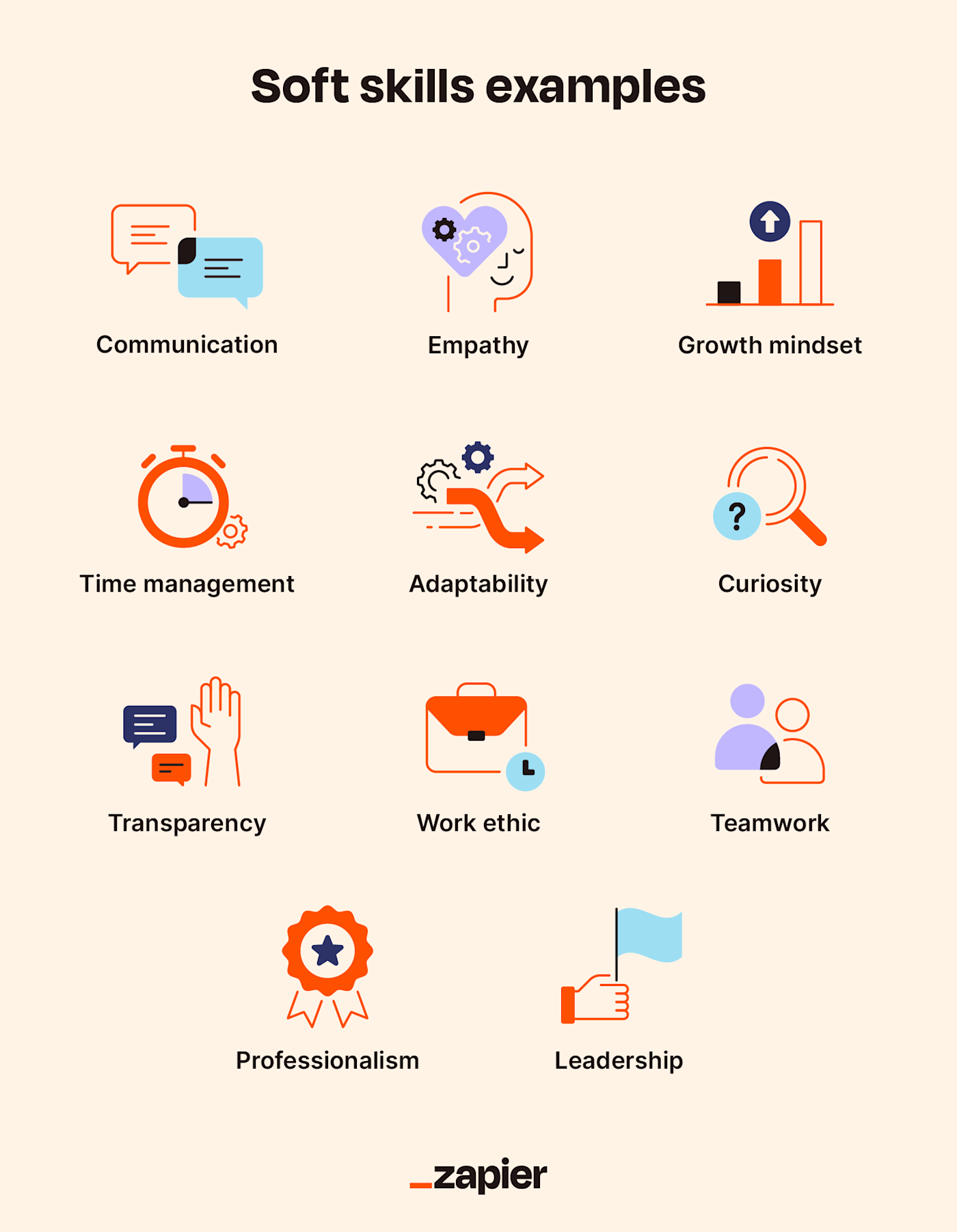
A list of soft skills refers to a collection of personal attributes and interpersonal abilities that enhance workplace performance, such as effective communication demonstrated by a project manager who resolves team conflicts calmly.
These competencies are vital because they bridge technical expertise with human interaction, driving productivity, employee satisfaction, and organizational resilience. Historically, the emphasis on soft skills grew as automation reduced routine tasks, making human-centric abilities a competitive differentiator.
This article outlines key categories, provides actionable examples, answers common questions, and shares practical tips for mastering the most sought‑after soft skills.
1. List of Soft Skills Overview
Understanding the breadth of soft skills helps prioritize development efforts. Core areas include communication, emotional intelligence, adaptability, problem solving, and leadership, each influencing daily interactions and long‑term career trajectories.
2. Communication Mastery
- Active Listening
Focused attention on speakers fosters trust; a customer‑service representative at Amazon improves satisfaction scores by echoing concerns before responding.
- Clear Writing
Concise emails reduce misunderstandings; a marketing analyst at HubSpot drafts briefs that streamline campaign approvals.
- Public Speaking
Confident presentations influence stakeholder buy‑in; a product lead at Spotify secures funding by delivering data‑driven narratives.
Effective communication also mitigates conflict, accelerates decision‑making, and enhances cross‑functional collaboration.
3. Emotional Intelligence
- Self‑Awareness
Recognizing personal triggers prevents reactive behavior; a sales director at Salesforce pauses before reacting to a missed quota, choosing strategic adjustments instead.
- Empathy
Understanding teammates’ perspectives builds cohesion; a design lead at Airbnb conducts user interviews that uncover hidden pain points.
- Regulation
Managing stress maintains performance under pressure; a surgeon at Mayo Clinic uses breathing techniques to stay focused during lengthy procedures.
High emotional intelligence translates into stronger leadership, better negotiation outcomes, and resilient teams.
4. Adaptability & Learning Agility
Rapid market shifts demand quick pivots; a fintech startup in Berlin restructured its product roadmap within weeks to address new regulatory requirements. Learning agility enables individuals to acquire new tools, such as mastering Python for data analysis, thereby staying relevant.
Adaptable professionals also inspire peers to embrace change, reducing resistance and fostering innovative cultures.
5. Problem‑Solving & Critical Thinking
- Root‑Cause Analysis
Identifying underlying issues prevents recurring errors; a quality engineer at Toyota uses the “5 Whys” technique to eliminate production defects.
- Creative Ideation
Generating novel solutions drives product differentiation; a R&D team at Dyson sketches unconventional airflow concepts that become market leaders.
- Decision Frameworks
Structured approaches, like SWOT analysis, streamline strategic choices; a nonprofit director evaluates funding options with clear criteria.
Strong problem‑solvers reduce downtime, cut costs, and enhance customer experiences.
6. Leadership & Influence
Leadership extends beyond titles; it involves motivating others, setting vision, and modeling behavior. A senior manager at Google empowers teams by delegating ownership, resulting in higher engagement scores.
Influence also includes mentorship, where seasoned professionals guide junior staff, creating talent pipelines and knowledge continuity.
Frequently Asked Questions
Quick answers to common queries about soft skills.
Question 1: What distinguishes soft skills from hard skills?
Soft skills are interpersonal and personal attributes, such as communication or adaptability, whereas hard skills are technical abilities or knowledge specific to a job function.
Question 2: How can soft skills be measured?
Assessment tools like 360‑degree feedback, behavioral interviews, and situational judgment tests provide observable indicators of soft‑skill proficiency.
Question 3: Which soft skill is most valued by employers?
Communication consistently ranks at the top, as it underpins collaboration, client interaction, and effective leadership across industries.
Question 4: Can soft skills be taught?
Yes, through workshops, coaching, role‑playing exercises, and real‑world projects that provide practice and constructive feedback.
Question 5: How often should soft‑skill development be revisited?
Regularly, ideally quarterly, to align with evolving role demands and to reinforce growth through continuous learning cycles.
Question 6: Are soft skills more important in remote work?
Remote environments heighten the need for clear communication, self‑discipline, and empathy, making soft skills critical for virtual collaboration.
Practical Tips for Building Soft Skills
Tip 1: Seek feedback. Request specific observations from peers after meetings to identify improvement areas.
Tip 2: Practice active listening. Summarize speaker points before responding to ensure comprehension.
Tip 3: Join cross‑functional projects. Exposure to diverse teams accelerates adaptability and empathy.
Tip 4: Reflect daily. Write brief notes on emotional responses to recognize patterns and adjust behavior.
Tip 5: Volunteer for leadership roles. Leading a small initiative builds confidence and decision‑making skills.
Tip 6: Use online simulations. Platforms like Coursera’s soft‑skill modules provide scenario‑based practice.
Tip 7: Mentor others. Teaching reinforces personal mastery and expands influence.
Conclusion
The explored list of soft skills highlights communication, emotional intelligence, adaptability, problem solving, and leadership as foundational pillars for career advancement. Each facet contributes uniquely to personal effectiveness and organizational success.
Continual cultivation of these abilities ensures readiness for future challenges and positions professionals as valuable, resilient contributors in any workplace.

